

By: Mohamed Sami El-Tahawy
In the late 19th century, the world was on the edge of a technological revolution. Amidst the chaos of horse-drawn carriages and bustling streets, a new invention was about to change history: the automobile.
It all began with Karl Benz, a visionary German engineer. In 1886, Benz unveiled his masterpiece, the Benz Patent-Motorwagen, the first true modern automobile. Unlike anything seen before, it featured a throttle system, spark plugs, gear shifters, a water radiator, and a carburetor.

However, the road to acceptance was not smooth. People were skeptical and even fearful of this new invention, worrying about its safety and reliability. In Britain, the “Red Flag Act” required a person to walk in front of the vehicle waving a red flag to warn pedestrians, reflecting public concern.

Despite initial resistance, Benz’s invention began to gain traction. The turning point came when Bertha Benz, Karl’s wife, undertook the first long-distance journey in an automobile. In 1888, she drove the Motorwagen from Mannheim to Pforzheim, a distance of 106 kilometers (66 miles), to visit her mother. This daring trip demonstrated the automobile’s practicality and reliability, silencing many critics.
As the years passed, the automobile evolved rapidly. Innovators joined the race, creating more advanced and efficient vehicles. By the early 20th century, the automobile had become a symbol of progress and modernity, essential for daily life.
One of the most significant milestones was the introduction of the Ford Model T in 1908. Henry Ford revolutionized the industry with his assembly line production method, making cars affordable for the average person. The Model T became an icon, and the automobile industry flourished.
Today, it is hard to imagine a world without cars. They have transformed our lives, connecting people and places like never before. The journey from resistance to acceptance was long and challenging, but the automobile’s impact on society is undeniable. This could not have been achieved without the collaborative work of the automobile ecosystem, from manufacturers to regulators and consumers, as well as the regulations we follow today to ensure road safety.
This lifecycle of resistance to acceptance and embracing change is common across all technological revolutions, from steam engines and airplanes to the internet and social media. People always raise concerns, which are important to shape safety measures and integrate these inventions into society.
I was not born when the first automobile was invented, but I have witnessed many other technological advancements. I remember how my parents controlled our TV watching and internet usage to ensure safety. At the beginning of the internet era, there was a big debate about its reliability, and now it is the main source of information, with numerous regulations for its use, security, and privacy.
Similarly, artificial intelligence is undergoing the same kind of revolutionary changes. We are currently living in the Age of AI, following the Age of Information amidst the spread of computers and smartphones. This new innovation is reshaping our future.
Today, AI is indispensable, transforming our lives and work. There is no doubt that AI is also introducing some concerns, which is the norm for any new technological revolution.
In this article, we will discuss the opportunities of AI and how to prepare for this change.
AI Opportunities
As previously mentioned, AI is deeply integrated into many of our daily applications. From recognizing faces and objects in photos on our phones to more sophisticated uses like detecting traffic violations, identifying suspicious activities for security alerts, and recommending shopping items, movies, music, or new courses, AI is everywhere. These examples demonstrate that AI has been around for a while, helping us simplify tasks, personalize experiences, and ensure operational excellence.
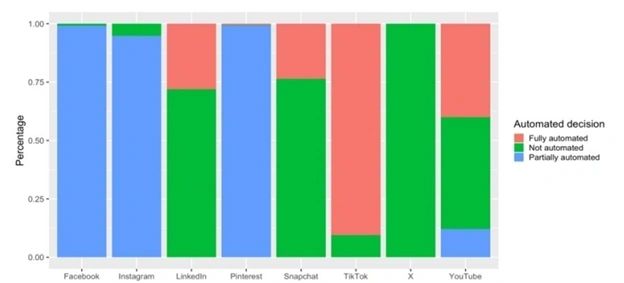
AI is also playing a crucial role in maintaining balance on the internet. A 2021 United Nations study found that online hate speech is on the rise globally, with a potential link to hate crimes. AI is now being used in content moderation to quickly identify and understand the context of such harmful content, preventing hate speech, harassment, abuse, and threats. According to Platform Governance, 68% of content moderation decisions are made through automation.
In the business world, AI is transforming various industries. Here are some examples:
- Education: AI is revolutionizing education by providing personalized learning experiences, automating administrative tasks, and offering intelligent tutoring systems. For instance, AI-powered platforms can adapt lessons to individual student needs, enhancing learning outcomes. According to a recent article published by Microsoft, AI is helping students in different ways to simplify information and act as personal tutors.
- Retail: In retail, AI enhances customer experience through personalized recommendations, virtual try-ons, and efficient inventory management. Retailers use AI to predict customer preferences and optimize stock levels, ensuring products are available when needed. According to Analytics Insight, by 2025, 80% of retail executives expect their companies to use intelligent automation technologies, and 40% already use some form of it.
- Financial Services: AI in finance helps detect fraud, automate trading, and provide personalized financial advice. Banks use AI to analyze transaction patterns and identify suspicious activities, improve security, predicting customer churn, and enhancing customer trust. Deutsche Bank is using AI for everything from investing to ESG to fighting financial crime.
- Healthcare: AI assists in diagnosing diseases, developing care and treatment plans, and managing patient data. For example, AI algorithms can analyze medical images, leading to early detection of conditions like cancer.
- Manufacturing: AI optimizes production processes, enhances quality control, and predicts maintenance needs. Manufacturers use AI to monitor equipment performance and schedule maintenance before breakdowns occur, reducing downtime and costs. In a webinar organized by the MEP National Network, many well-known manufacturers discussed how their AI projects improved equipment uptime, increased quality and throughput, and reduced scrap.
- Government: AI is enhancing government operations by improving service delivery, policymaking, and operational efficiency. Governments use AI to analyze data for better decision-making, automate routine tasks, and provide personalized services to citizens. For example, AI can help manage public resources, detect fraud in social services, and improve emergency response systems. According to a recent Deloitte report, automation could save 96.7 million federal hours annually, with potential savings of $3.3 billion; at the high end, this rises to 1.2 billion hours and potential annual savings of $41.1 billion using AI.
These examples illustrate how AI is not just a futuristic concept but a present reality, driving innovation and efficiency across various sectors.
This leads us to think about where we are in leveraging AI and how we can prepare.
How to prepare for the AI Era
In one of my articles about AI, I emphasized that to start and identify gaps in AI adoption, organizations should assess their current state. I introduced a four-quadrant Organization Skill/Capability vs. Will/Motivation matrix, which can be used to position where you are in the AI adoption journey.
However, what is common across all states is that we should face the concerns raised about AI boldly and solve them to not only avoid resistance but to ensure the safety of AI. Similar to the automobile example mentioned above, the industry was regulated through laws and regulations, which is also needed for AI. Recently, many agreed principles were published, and nations started to adopt them regarding the ethical usage of AI to guarantee its safe use. Not only nations but leading AI companies are doing the same. For example, Microsoft established its Responsible AI principles, combined with a governance framework and tools to support that vision. Another example is the AI Risk Management Framework developed by the U.S. National Institute of Standards and Technology (NIST) and launched earlier in 2023, which provides a strong template for advancing AI governance.
As is the case with other technological innovations, AI can be used in beneficial and harmful ways, as a tool or as a weapon. Establishing this foundational ethical AI framework and safety measures is important. It should not only work as regulations on how AI is built but also, similar to car brakes, it is important to have a safety mechanism to pause or shut down AI in case of uncontrollable risk of use and misuse.
Ethical AI is crucial to ensure that AI is developed and used responsibly. Without ethical guidelines, this can lead to unintended consequences, such as biased decision-making, privacy violations, and even job displacement. For instance, facial recognition technology has faced criticism for its potential to infringe on privacy and its higher error rates for certain demographic groups. By prioritizing ethical AI, we can mitigate these risks and ensure that AI benefits everyone.
If you have not started yet, here are basic steps that you can follow:
Exploration and Assessment
- Explore AI Use Cases: Investigate AI applications in your industry.
- Identify Relevant Use Cases: Choose low-risk, high-relevance applications to start with.
- Understand Standards and Regulations: Familiarize yourself with AI standards, adoption frameworks, and local/regional laws.
- Embed Frameworks and Regulations: Plan how to incorporate these frameworks and regulations into your initial AI projects.
- Raise AI Awareness: Ensure that a foundational level of AI awareness is present across organization leaders and employees.
Design and Development
- Consult Industry Peers: Learn from others’ experiences and replicate best practices to avoid pitfalls.
- Develop a Business Case: Identify the ROI for your AI initiatives.
- Define and Design Projects: Outline your first AI project.
- Build or Outsource: Assemble your team or outsource the AI project development.
- Test Thoroughly: Conduct extensive testing to ensure reliability.
- Create a Pilot Program: Implement a small-scale pilot to test the AI solution in a controlled environment.
- Establish Metrics for Success: Define clear metrics to measure the success of your AI project.
Use and Scale
- Engage Early Adopters: Explain the value and benefits to early users.
- Monitor Usage: Track the usage of AI tools/apps within your organization.
- Gather Feedback: Continuously improve the AI model based on user feedback.
- Watch for Abnormal Behavior: Be vigilant about issues like hallucinations or unauthorized access, especially with generative AI.
- Integrate into Business Processes: Ensure AI is integrated into organizational operational processes for higher impact and sustainability.
- Measure Impact: Calculate and present the impact of AI initiatives.
- Scale Up: Expand to more users and repeat the process.
- Provide Ongoing Training: Ensure continuous training and support for users to maximize the benefits of AI.
These are some basic steps to start. What is important is the journey and what you will learn and experience in every step of this journey.
Collaboration and community engagement play a vital role in the successful adoption of AI. By working together with industry peers, academic institutions, and regulatory bodies, organizations can share knowledge, address common challenges, and develop robust AI solutions. Engaging with the broader community also helps in understanding public concerns and building trust in AI technologies.
As AI technologies continue to evolve, it is essential for organizations to stay updated with the latest advancements and best practices. Continuous learning and adaptation are key to maintaining a competitive edge and ensuring the responsible use of AI. This involves not only keeping up with technological developments but also regularly reviewing and updating ethical guidelines and safety measures.
Back to the automobile metaphor, it seems to me that we are having the same journey regardless of the decade and pace of change. Our concerns and skeptical minds should not stop us from leveraging AI for good use, but we should also not trust AI without boundaries, safety measures, and full control.
Looking ahead, the potential of AI is immense. From revolutionizing healthcare with personalized medicine to transforming transportation with autonomous vehicles, AI has the power to reshape entire industries. As we continue to explore and harness the capabilities of AI, it is crucial to do so with a focus on ethical considerations, safety, and inclusiveness. By preparing today, we can ensure a future where AI contributes positively to society.
About The Author
Mohamed is a value-driven individual who aims to become more valuable to society through his career and by creating a conscious business. He is an expert in software engineering, business process, technology management, requirements engineering and management, program and project management, software development life cycles, web technologies, and agile development. He received his bachelor’s degree in systems and biomedical engineering from Cairo University in 2006 before receiving a master’s degree in software engineering in 2014 from Nile University. He authors his personal blog to share digital transformation, architecture, change management, and software engineering practices that have a lot of visits worldwide and citations in research and academic papers. He is passionate about technology, innovations, new business ideas, business strategies, and change management.
Scholar: https://scholar.google.com/citations?hl=en&user=vKCN4nsAAAAJ


 Telecom Analysis
Leave a comment